
5 tips to master investigative journalism
Sian Norris's 'master document' tip was a favourite

Dear Second Source supporters,
Thank you for being with us this year, and especially if you came to our In Conversation evening in November, where Sian Norris shared her tips and experiences of investigative journalism.
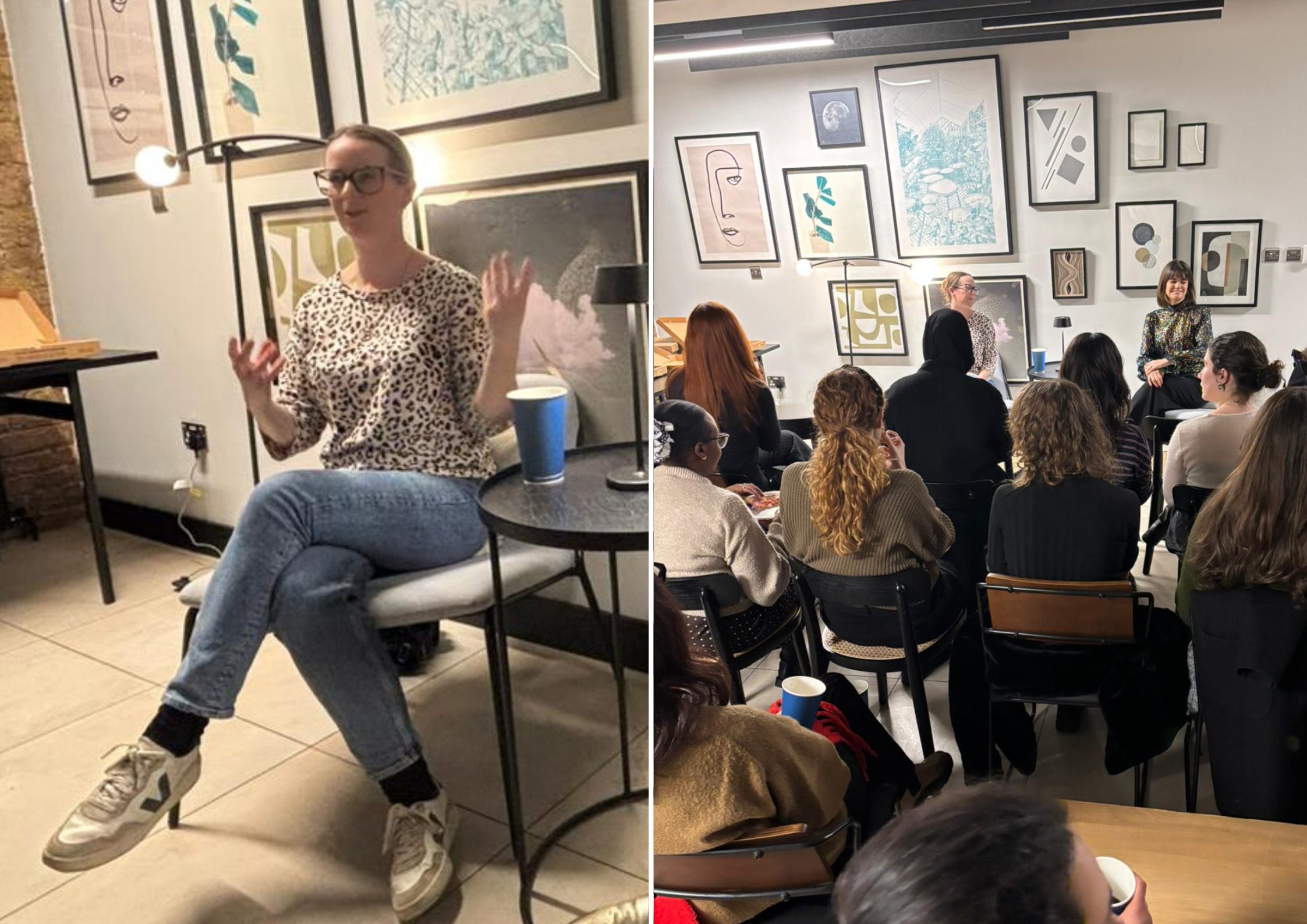
It was great to see such an engaged room and to have great conversations afterwards, connecting, reflecting and looking ahead with so many of you. Some of Sian’s best tips are shared below - including the ‘master document’ idea which really seemed to resonate.
We set up Second Source in 2017, in the wake of #MeToo, to build an alternate, supportive network for women and non-binary journalists. Since then, we’ve run a mentorship scheme and hosted masterclasses and events, free of charge, thanks to the time and generosity of our volunteers and speakers. All women and non-binary people in the media more broadly are welcome.
Eight years on, it’s clear there is still a real need for an inclusive, welcoming space in journalism.
We want to make sure that The Second Source continues to meet that need in ways that reflect what our community actually wants and values.
We’d love your input.
Please take a moment to respond to the quick poll below and let us know what you’d most like to see from us next:
Thanks again for being part of this community and for helping shape what it becomes.
Wishing you all a peaceful and happy holiday period,
The Second Source team
5 tips to master investigative journalism, from Sian Norris

Create your master document
Your master document holds all the information for your investigation, and it builds over time. Start it by writing your hypothesis (what you think your investigation is about). Then add in your list of characters. Next, start to build a timeline. Keep all the information you gather in this one master document – from transcripts of interviews to screenshots of key resources to drafts and responses to FOI requests. Use headings to make it easier to navigate and link other documents, such as Google sheets, into the master doc. That way, whenever you need a quote, a reference, a date etc. you know exactly where to find it.Bring together human sources and data
Many of my best investigations have involved human sources and data. The data helps to show that there is a systemic issue – that there are multiple victims in a scandal, or multiple failings by an organisation or public body. Human sources bring those systemic issues to life. Some investigations have one or the other, and always remember that people are data, too!Where to find stories
When investigating public bodies, freedom of information requests are a great way of gathering data or documents that otherwise might not be disclosed. The UK government’s UK Data Service is also a rich resource in getting granular statistics on all sorts of issues. It can be really helpful to scour through parliamentary questions to see what issues are causing concern but maybe not making headlines. Read news from around the world. And build up a network of contacts in the areas you want to investigate – so talk to charity and NGO workers, lawyers, activists, people affected by specific policy areas etc.Be trauma informed
Often when you are doing an investigation, you will be working with case studies who have had something awful happen to them. You have to take a trauma informed approach. The best way, in my experience, of doing this is making sure they know they have control over the process. That means, for example, that they can choose the interview format (phone, Zoom, in-person). That you maintain regular contact with them even if a story takes months, and you update them at every stage so they know what is going on. Offer to let them see the quotes you have used from your conversations. After a tough interview, make sure they have support once you get off the phone and if they don’t, have a helpline number you can share. And always let them know that they can pull out at any time, with no judgement and no questions asked.Read this book
The story-based inquiry model has helped me shape and plan my investigations and it can help you too. Find out more here.